

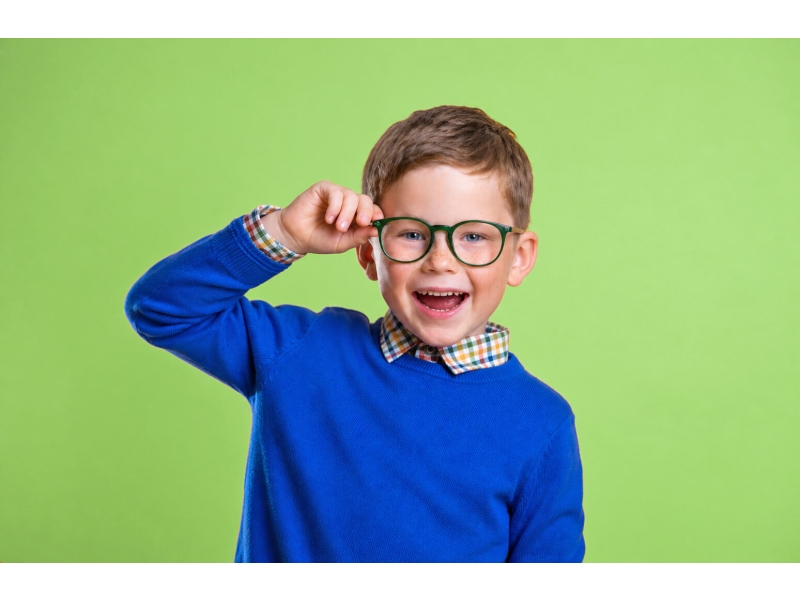
Helping a child adjust to wearing glasses often meets with initial resistance, but the right approach can turn adaptation into a natural process. By combining insights from child psychology, healthcare, and pedagogy, parents can successfully establish a positive habit that supports both the child's vision and their self-confidence.
In this article, we will explore how adaptation to kids' glasses—both sunglasses and prescription eyewear—unfolds, and which strategies work most effectively.
Why is Adapting to Kids' Glasses a Challenge?
Accepting kids' glasses is a complex process in which emotions, perceptions, and external influences intertwine. The main factors affecting adaptation include:
-
How the child perceives the change (identity and difference): A feeling that they stand out from their peers and look different.
-
Fear of teasing and social pressure: Concern about being the subject of peer comments or ridicule, leading to insecurity and a reluctance to wear glasses.
-
Sensory discomfort during the first contact with the accessory: An unfamiliar sensation on the face and changes in visual perception.
-
The parent's role in the adaptation process: The parental support and overall approach directly influence how well the child accepts the glasses.
Understanding these factors is the key to a successful and stress-free adaptation.
Psychological Reasons Behind Refusing to Wear Glasses
The following psychological factors are often at the root of initial resistance in children:
-
The need for approval and social acceptance (according to Erikson's theory): The child strives to fit in and avoid standing out from their peers.
-
Negative associations: Glasses may be perceived as unpleasant, unwanted, or as a marker of being different.
-
Lack of habit and routine: The absence of established daily patterns makes initial adaptation difficult.
When a parent recognizes these underlying causes, it becomes much easier to approach the situation adequately and supportively.
How to Build a Smooth Adaptation to Kids' Glasses?
To make adjusting to kids' glasses successful, it is important to follow several proven approaches:
-
Start with short periods of wear: Gradually increase the duration to allow for a smooth and comfortable adjustment.
-
Involve the child in choosing their kids' frames: This creates a sense of control and personal ownership over the choice.
-
Explain why kids' prescription glasses are necessary: Help them understand the benefits to reduce resistance.
-
Use positive reinforcement: Offer praise and encouragement instead of pressure to build a positive attitude toward the glasses.
-
Create a daily ritual: Turn putting on the glasses into a natural part of their daily routine.
Applying these strategies makes the process lighter, more natural, and free of unnecessary tension.
The Role of the Parent as a Role Model
The parent's approach is crucial for successful adaptation. The most vital elements in this process include:
-
Imitation (social learning) as a key mechanism (Albert Bandura): The child observes and repeats the behavior and attitudes of the parent.
-
Calm communication instead of coercion: This creates a sense of security and lowers resistance.
-
Building trust: Helps the child accept the new habit more easily.
When these methods are applied consistently, the child accepts wearing glasses much more easily.
The Importance of the Right Choice: Comfort, Design, and Functionality
Selecting the right kids' glasses directly impacts how quickly and easily adaptation takes place. It is important to look for the following characteristics:
-
Maximum comfort: Lightweight constructions and a secure, stable fit.
-
Unbreakable materials: High durability during active play and movement.
-
Advanced coatings: Resistant to smudges for easier cleaning and maintenance.
-
Proper kids' frames: Suited specifically to the shape of the child's face.
-
Accurately fitted lenses: Crucial for correct visual development.
Choosing the right kids' glasses eases adaptation: comfort reduces resistance, design boosts the desire to wear them, and proper optics prevent eye strain.
Child Health and Long-Term Benefits of Adaptation
Proper vision plays a key role in a child's overall development by supporting cognitive processes and improving concentration and learning. It also reduces the risk of worsening visual issues, builds healthy habits at an early age, and leads to greater social confidence.
Early adaptation to wearing glasses is critical for preventing future visual difficulties that could otherwise worsen without correction. It also instills proper habits that the child will carry into adulthood.
How the Right Decisions Impact the Child's Attitude
The right decisions begin with an informed choice that combines quality, comfort, and an appealing design—whether you are selecting prescription glasses or kids' sunglasses.
Key factors to consider include:
-
Choosing between a physical or an online optician like blink.bg: Depending on the need for custom fitting and professional advice.
-
Comparing price and quality: To ensure long-term durability and effectiveness.
-
Consulting with a specialist: For a precise prescription and optimal visual comfort.
-
Fashion trends: Frame designs, colors, and shapes that increase the child's desire to wear them.
When these factors are combined with a design the child genuinely likes, adjusting to glasses becomes significantly easier and more natural.
FAQ
-
How can I tell if my child sees better with their glasses? Observe their behavior—easier focusing, less squinting, and improved concentration are positive signs of a correct prescription.
-
How often should kids' glasses be changed? Usually every 6 to 12 months, depending on the child's physical growth and changes in their vision.
-
Does the frame material matter? Yes, the material should be lightweight, flexible, and durable to ensure both comfort and safety.
-
Are kids' sunglasses suitable for everyday use? Yes, especially if they have UV protection, as they effectively shield the eyes from harmful rays.
-
What should I do if my child keeps taking the glasses off? Try shorter periods of wear and gradually increase the time, using positive reinforcement and encouragement.
