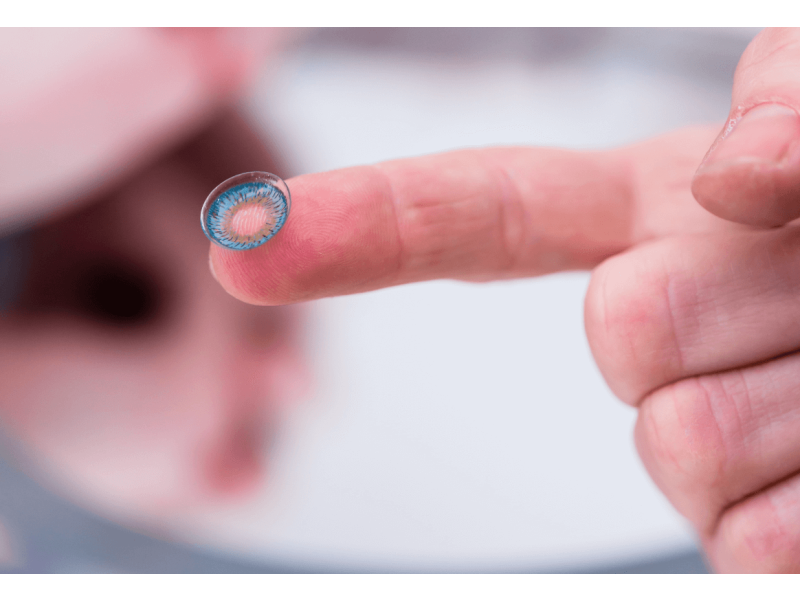
Myths and Truths About Colored Contact Lenses: Are They Really Safe?
Colored contact lenses captivate with their transformative effect and versatile applications. More than just an accessory, they are an expression of individuality, enhancing one’s mood and boosting confidence in any social setting.
In this article, you will discover how to choose the right type based on skin tone and eye color, and we will debunk the most common myths surrounding colored contact lenses—revealing the truths behind them.
Colored Lenses: The Magic of Visual Transformation
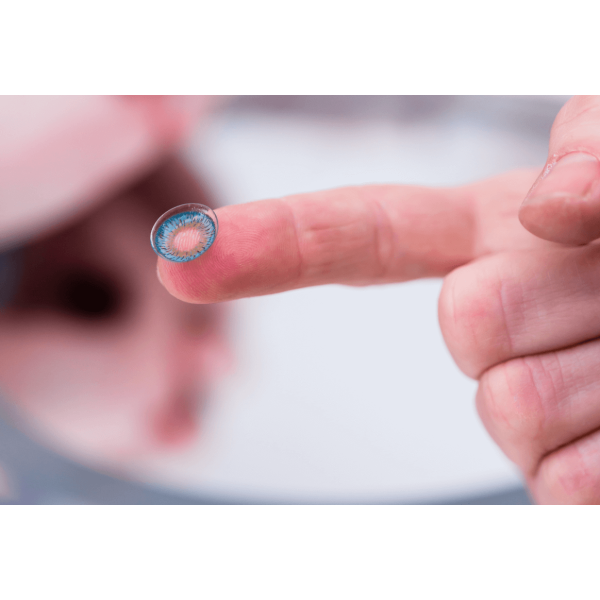
They are not just a minor detail; they are a way to drastically change your look within seconds. Whether you choose prescription or non-prescription (plano) models, they add a touch of drama or a subtle natural glow.
-
Daily disposables offer the freedom to experiment without commitment.
-
Monthly, quarterly, and annual models represent a long-term investment in style and comfort.
-
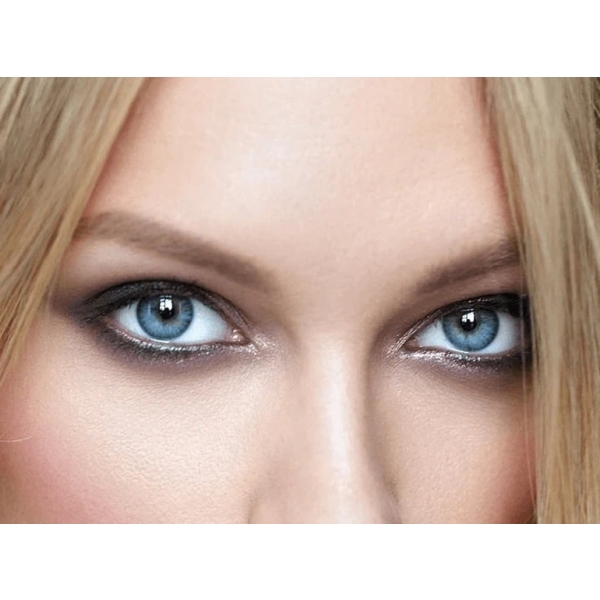
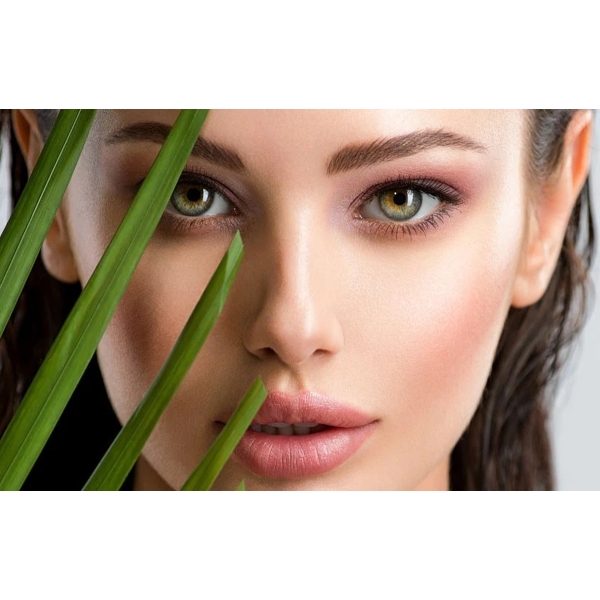
These options work beautifully for both dark eyes and lighter irises like blue, gray, hazel, and green.
Comfort is guaranteed if usage and care instructions are followed. It is essential to purchase lenses from a reputable physical or online optical store to ensure quality and authentic origin.
Debunking Common Myths
Before choosing your lenses, it is important to separate fact from fiction.
-
Myth 1: Colored lenses are dangerous for the eyes. Truth: Danger arises from improper use, not the lenses themselves. High-quality models from licensed opticians, combined with proper disinfection and adherence to replacement schedules, significantly reduce risks.
-
Myth 2: They look unnatural. Truth: With modern technology, the effect can be completely natural. The key is choosing a shade that complements the depth and tone of your natural iris.
-
Myth 3: Only people with vision problems need lenses. Truth: You can choose non-prescription colored lenses for purely aesthetic purposes or prescription versions if you require vision correction.
-
Myth 4: Cheap lenses are perfectly safe. Truth: Uncertified, low-cost models often use poor materials. Investing in quality products is the best guarantee for safety and comfort.
How to Choose the Right Colored Lenses
Selecting the right lenses requires an informed approach to avoid discomfort:
-
Define your goal: Pure aesthetics or vision correction?
-
Select the duration: Daily, monthly, or annual based on your lifestyle.
-
Pick the right color: For a natural look, stay close to your natural eye tones.
-
Verify certification: Quality lenses from a licensed source ensure oxygen permeability and comfort.
-
Consult a specialist: Seek professional advice on proper fitting and wear.
Safety Tips and Proper Care
-
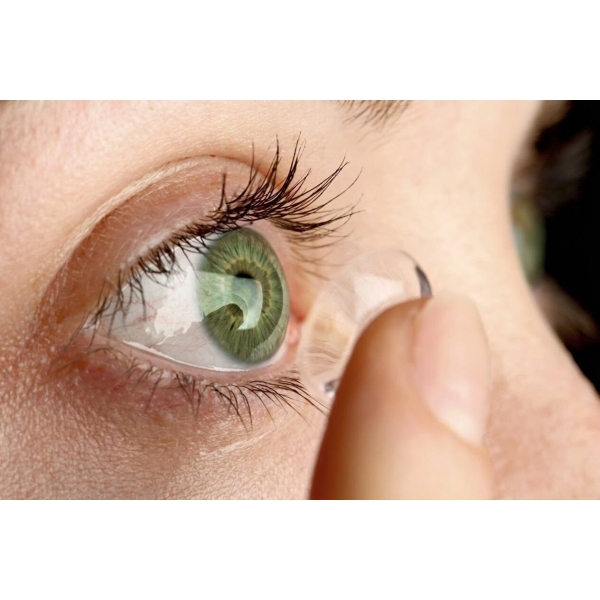
Hygiene: Always wash your hands before handling lenses and use recommended solutions.
-
Wear Time: Never exceed the suggested duration for your specific lens type.
-
Storage: Keep lenses in clean cases with fresh solution to prolong their life.
-
Monitor Reactions: If you experience redness or irritation, remove the lenses immediately and consult an eye doctor.
Pros and Cons of Colored Lenses
Advantages:
-
Instant style transformation and enhanced individuality.
-
Available with or without prescription.
-
Safe color change for both blue and dark eyes when chosen carefully.
Disadvantages:
-
Risk of infection if used improperly.
-
Require strict hygiene and maintenance schedules.
-
Some colors may look artificial if mismatched with the natural iris.
Colored contact lenses can safely transform your look when approached with care. By choosing quality products and maintaining high hygiene standards, you can enjoy everything from a subtle tint to a dramatic change for special occasions.