Sunglasses Filter Categories – What They Mean and Why the Difference Matters
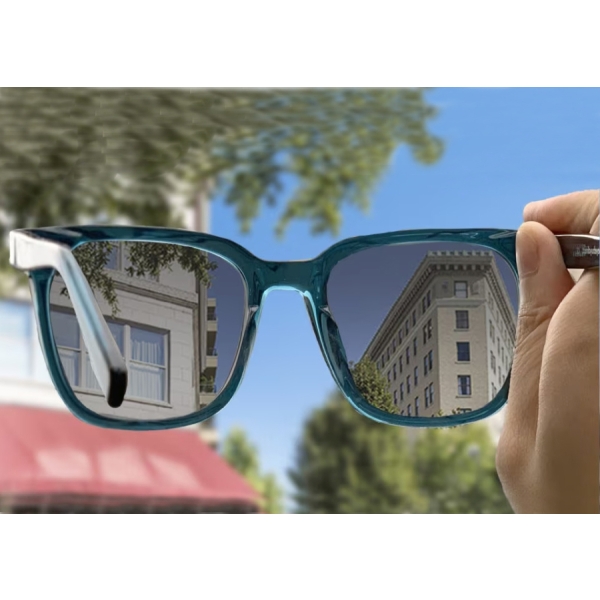
When buying sunglasses, we often see the term "Filter Category" on the label or in the description, usually marked with a number from 0 to 4. Many people assume this number is a measure of UV protection—and that the higher it is, the better it protects the eyes from harmful ultraviolet radiation. However, this is completely incorrect. The truth is that the filter category has nothing to do with UV protection. It simply indicates how much visible light passes through the lenses. In other words—how dark they are.
UV Protection and Filter Category – Two Different Things
UV Protection: A measure of how well the lenses block ultraviolet rays (UVA and UVB), which can damage the eyes and lead to problems such as cataracts, photokeratitis, and macular degeneration. High-quality sunglasses offer 100% UV protection (UV400), regardless of whether the lenses are light or dark.
Filter Category: A classification from 0 to 4 that shows the percentage of Visible Light Transmission (VLT) passing through the lenses. You can have sunglasses with Filter Category 1 (quite light lenses) but with 100% UV protection—they will still protect your eyes from damage; they simply won't significantly reduce brightness.
Classification of Filter Categories
According to international standards (EN ISO 12312-1), the filter category is determined by the transmission of visible light:
| Cat | VLT (%) | Tint | Best Use |
| 0 | 80–100% | Clear/Light | Night, fog, indoor fashion |
| 1 | 43–80% | Light | Low sun, cloudy days |
| 2 | 18–43% | Medium | Moderate sun, daily city wear |
| 3 | 8–18% | Dark | Strong sun, beach, mountains |
| 4 | 3–8% | Very Dark | High altitude, snow (No driving) |
Why a Higher Category Does Not Equal Higher Protection
A common myth is: "Since they are Category 4, they must be the most protective." This is not true because:
-
UV protection is a separate parameter – it is achieved through a special coating or lens material, not the darkness of the glass. You can have transparent lenses with UV400 that protect your eyes from UV rays just as well as the darkest sunglasses.
-
Dark glasses without a UV filter are more dangerous than no glasses at all – the pupils dilate to compensate for the reduced light, allowing even more ultraviolet radiation to enter the eye.
-
The category is chosen according to the environment and conditions, not the "strength" of the protection. For example: Category 3 is great for the beach but too dark for a cloudy day; Category 1 is good for a spring walk in the city but insufficient for skiing on a sunny day.
How to Choose the Right Category
First, check the UV protection—always look for the "UV400" or "100% UV protection" marking. This is a mandatory requirement, regardless of the category. Choose the category based on the conditions in which you will wear them:
-
0–1 – for style, fog, cloudy weather, evening.
-
2 – for daily use in moderate sun.
-
3 – for strong sun, beach, mountains.
-
4 – for extremely strong sun and reflections from snow/ice. Consider driving—avoid Category 4 because it is too dark and it is strongly recommended not to be used while operating a vehicle.
Frequently Asked Questions
-
Can I wear Category 4 in the city? Yes, but it is not practical—everything will look too dark, especially in shadows and when light levels change.
-
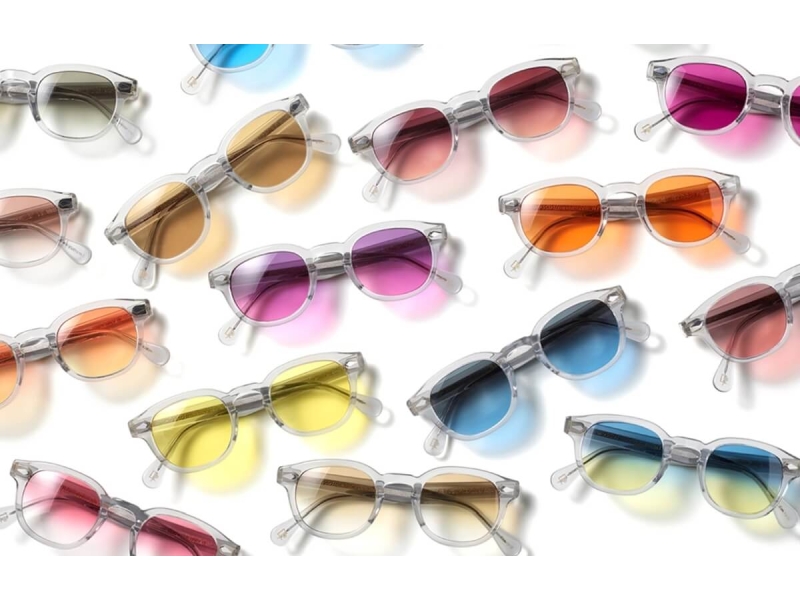
Does the lens color matter? Yes—different colors filter light in different ways, but this does not affect UV protection. Grey gives the most neutral perception, brown improves contrast, and yellow is good in low light.
-
How can I check if my glasses have UV protection? A certified optical shop can measure this with a specialized device. Do not rely on the darkness of the lens.
The filter category in sunglasses is a useful indicator of how much bright light will be reduced, but it is not a measure of UV protection. For maximum safety, always choose glasses that combine 100% UV protection with the appropriate filter category for specific conditions. This will protect your eyes and provide comfortable vision without sacrificing safety.