Polarized Sunglasses – What Are They, Who Are They For, and Why Aren’t They in Every Designer Collection?
When choosing sunglasses, we mostly think about how they look, how well they fit our face, and whether they will protect us from harmful UV rays. However, the term "polarized glasses" is being mentioned more frequently—sometimes with enthusiasm, other times with doubt. What exactly is polarization, who benefits most from it, and why isn't it a mandatory part of every luxury brand? In this article, we will explore all of this and provide clear answers.
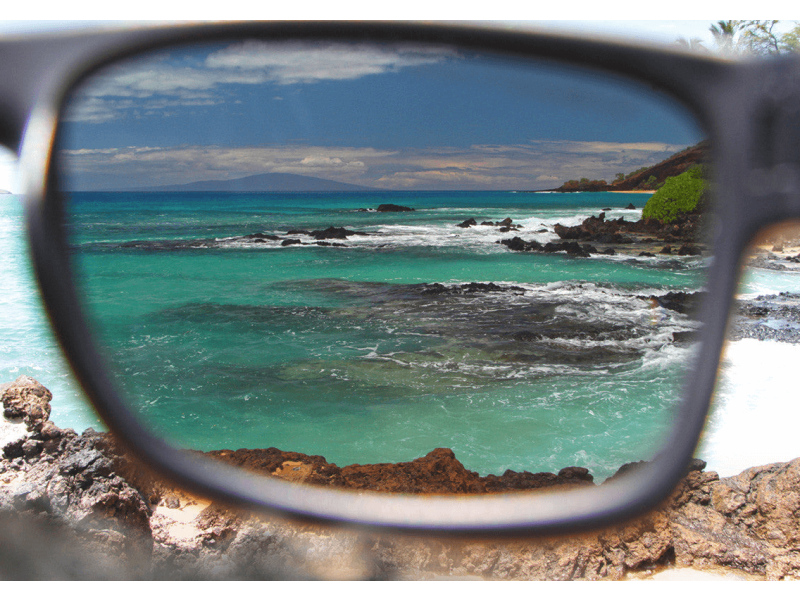
What is Polarization? Polarization is a technology where a special filter is embedded into the lenses of sunglasses to block reflected horizontal light. This type of light creates intense glare from surfaces such as water, snow, glass, or asphalt—especially when the sun is low. This glare often causes eye strain, blurred vision, and even headaches. Polarized glasses do not simply darken the image (like standard sunglasses); they filter directed light waves. As a result:
-
Contours become sharper,
-
Colors appear more saturated,
-
Vision is more relaxed and strain-free.
Polarization ≠ UV Protection Many consumers confuse polarization with UV protection, but these are two completely different things:
-
UV Protection: Blocks harmful ultraviolet radiation that damages the retina, cornea, and lens of the eye.
-
Polarization: Blocks glare and makes vision more comfortable, without having a direct link to UV protection. A pair of sunglasses can have 100% UV protection without being polarized. Conversely, they can be polarized but lack sufficient UV protection (though this rarely happens with quality brands). Note: Polarization is not mandatory for eye health, but it is highly recommended under certain conditions, especially for people who spend time outdoors, drive, or work in bright light.
Who Are Polarized Glasses Best For? Polarization is not just an "extra." For some, it can be a real game-changer. Here is who benefits most:
-
Drivers: Driving in the sun, especially early morning or late afternoon, leads to intense glare from the road, windshields, and other cars. Polarization drastically reduces blinding light and makes road markings clearer.
-
Fishermen and Water Sports Enthusiasts: Glare from the water can completely hide what is beneath the surface. Polarized lenses allow you to "see through the water."
-
Hikers and Skiers: Snow cover reflects up to 80% of UV rays and creates blinding glare. Polarization protects the eyes and improves terrain contrast.
-
People with Light Sensitivity: For those suffering from photophobia or general discomfort in bright light, polarization makes the light softer and more pleasant.
Why Aren’t All Glasses Polarized? Despite the undisputed advantages, not all sunglasses offer polarization. The reasons are technical, economic, and marketing-related.
-
Higher Production Cost: The polarized filter is an additional layer. This increases the cost of the lenses, which may not be economically viable for lower-end models.
-
Polarization is "Invisible": Luxury and fashion brands often sell style, not technology. Polarization cannot be seen with the naked eye—there is no color effect or shine. Therefore, designer brands sometimes don't invest in a feature that doesn't contribute to the aesthetic.
-
Issues with Screens: Polarized lenses can make it difficult to see LCD/LED screens—such as car navigations, smartphones, and ATMs.
-
Differing Consumer Needs: For most city users, standard UV-protective lenses are sufficient. Polarization is most useful in specific scenarios like driving or sports.
Why Do Luxury Brands Rarely Offer Polarized Models?
-
Style Over Function: Brands like Gucci, Dior, Chanel, and others focus primarily on the look—this is their added value. They position themselves as fashion leaders rather than tech brands.
-
Design Constraints: The polarized filter requires a specific lens structure, which can sometimes limit design options—especially for unconventional shapes, gradients, or special effects.
-
Urban Fashion Priorities: In the context of a fashion shoot or a city stroll, glare is rarely a major issue. Luxury consumers often do not demand polarization because they don't use their glasses in extreme conditions.
Can You Find Luxury Polarized Glasses? Yes, some brands include them in their collections. However, unless explicitly marked, glasses are not polarized by default—regardless of the price.
How to Tell if Your Glasses are Polarized?
-
Look for the word "Polarized" or the symbol "P" on the inside of the frame or the lens.
-
The Screen Test: Hold the glasses in front of an LCD screen and rotate them. If the screen darkens or disappears at a certain angle, the lenses are polarized.
-
Ask a Professional: Reliable optical shops always know which models include polarization.
Polarized sunglasses aren't a must for everyone, but for many, they make a massive difference. If you spend a lot of time outdoors or behind the wheel, polarization is definitely worth the investment.