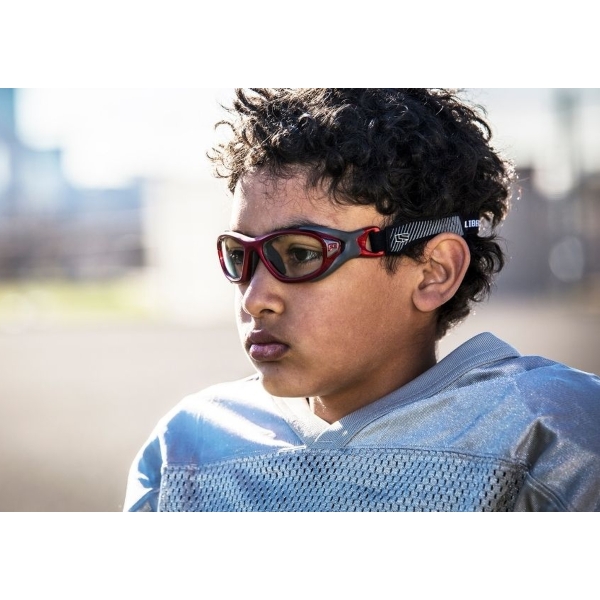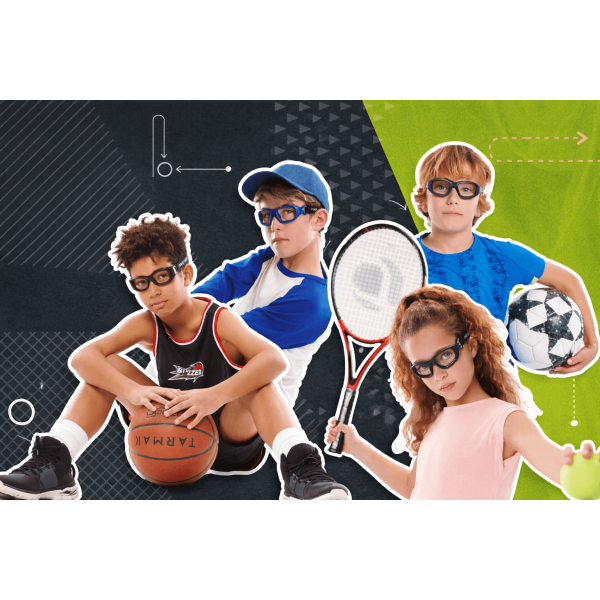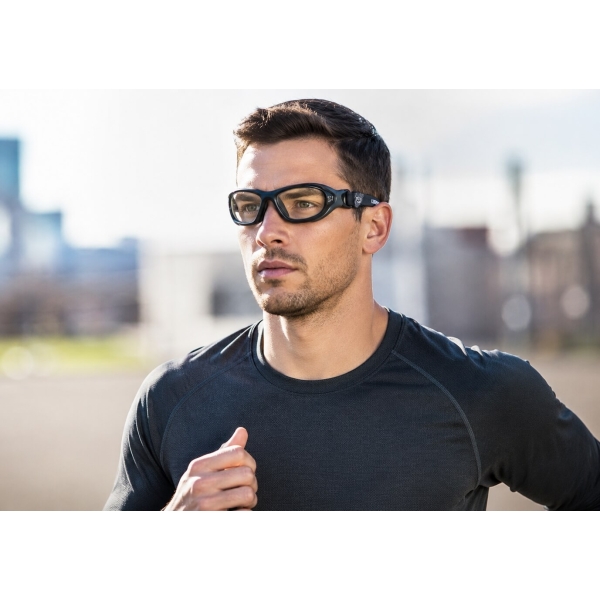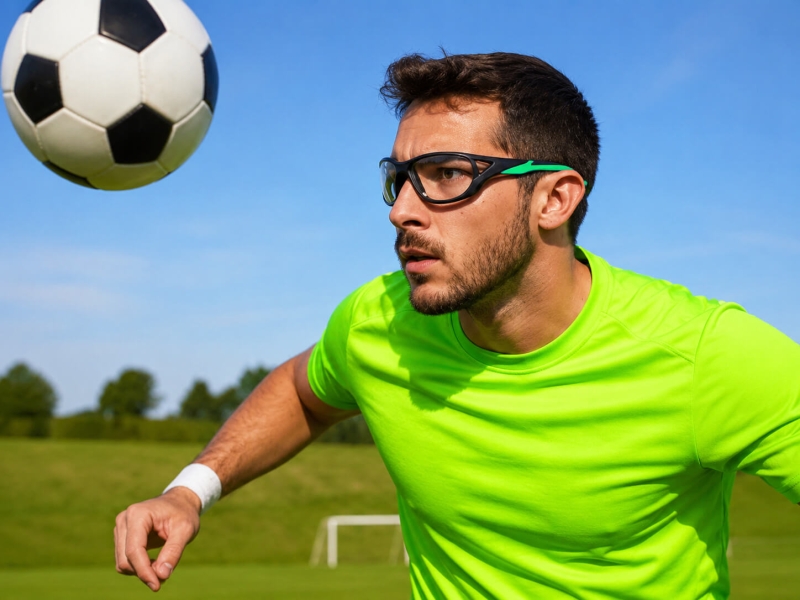
Sports represent health, passion, and dynamic movement, but for individuals with refractive errors, athletic activities often come with a distinct set of physical challenges. Whether you are an avid runner, a dedicated cyclist, a weekend football player, or an extreme sports enthusiast, clear vision is a fundamental requirement for performance and physical safety. Reduced visual acuity compromises reaction times, impairs accurate depth perception, and increases the likelihood of sports-related injuries. When you step into a modern optical store, you will quickly discover that the days of choosing between seeing clearly and keeping your eyes safe are a thing of the past.
Many athletes dealing with myopia or astigmatism rely on modern contact lenses as their primary vision correction tool during training sessions. While practical monthly lenses deliver excellent peripheral vision and complete freedom of movement, they are not always the definitive or comprehensive solution for every environment. During outdoor activities involving high winds, airborne dust, high-velocity objects, or physical impacts, the human eye requires robust mechanical defense. This is exactly where specialized prescription sports glasses come into play – establishing a perfect balance between high-tech impact protection and crystal-clear visual correction.
Why Standard Eyewear is Dangerous on the Athletic Field
One of the most frequent errors amateur athletes make is training while wearing their everyday prescription glasses. This practice is not only deeply uncomfortable but inherently hazardous. Everyday frames (whether structured as full-rims or delicate rimless designs) are simply not engineered to withstand sudden directional shifts, heavy perspiration, or accidental physical collisions. A blunt-force impact during a casual basketball or football match can easily shatter a standard frame, and fragmented lens particles or sharp plastic shards can cause catastrophic, irreversible structural damage to the eye.
Beyond safety vulnerabilities, conventional glasses fail from a functional perspective during sports. They routinely slide down the nasal bridge during perspiration, lack the aerodynamic contours required to deflect oncoming wind currents, and severely restrict peripheral awareness. Specialized sports optics evolved as a distinct field to eradicate these limitations, creating next-generation frames and resilient lenses that integrate seamlessly with the athlete's movements.
Technological Paths for Prescription Correction in Sports
When selecting prescription sports eyewear, a professional optical boutique will typically present two primary engineering configurations, each offering distinct advantages:
Direct Glazing (Prescription Sports Lenses): In this configuration, the required corrective prescription is ground directly into the primary protective sports lens. This represents the sleekest, most integrated design available. The technical hurdle here stems from the steep wrap-around curvature (base curve) characteristic of sports frames, designed to contour closely to the face. While this curvature used to cause distorted peripheral vision, modern FreeForm laboratory technology calculates the lens surface point-by-point, eliminating peripheral aberrations to ensure flawless edge-to-edge focus.
Prescription Inserts (Clip-on Systems): This is a highly versatile and cost-effective optical solution. The system utilizes a small, featherlight inner optical frame (the clip) that houses your corrective prescription lenses. This corrective insert snaps securely into place on the interior side of the sports glasses, directly behind the primary protective outer shields. The key benefit here is long-term economic efficiency; if your prescription changes over time, you only need to replace the lenses within the small insert rather than purchasing an entirely new pair of sports glasses. This setup also allows you to swap out external lenses (such as migrating from dark polarized shields to yellow lenses for low-light tracking) depending on current weather conditions.
Advanced Materials: Indestructible Strength and Ultra-Light Performance
The true protective capability of sports eyewear resides in the engineered materials used to build the frame and lenses. A knowledgeable optical retailer will never recommend standard plastic or traditional glass lenses for athletic applications. The undisputed benchmarks for sports environments are polycarbonate and Trivex polymers. These advanced materials are virtually shatterproof. When struck by a high-speed tennis ball or an unexpected low-hanging tree branch, they absorb the kinetic energy of the impact without splintering into sharp, hazardous shards. Furthermore, they are exceptionally lightweight and provide native 100% UV protection.
The structural frames of sports eyewear are typically molded from advanced polymers like TR90 (commonly known as Grilamid). This specialized material exhibits incredible elasticity and structural memory, allowing the frame to bend under extreme mechanical stress and snap back into its original shape without cracking. To ensure the glasses remain locked in place during intense physical motion, the nose pads and temple tips are clad in specialized hydrophilic rubber. This material features the unique physical property of increasing its surface grip when exposed to moisture; meaning the more you sweat, the more securely the glasses anchor themselves to your face.
Selecting Lens Filters and Tints Based on Your Sport
Sports optics allow for deep lens customization via specialized color filters that optimize visual contrast within specific environments:
Polarized Lenses: These are an absolute necessity for open-water sports, fishing, sailing, and winter alpine activities. The polarization filter completely blocks blinding glare reflecting off water and snow sheets, drastically minimizing ocular strain. While they are also exceptional for daily driving, athletes who prefer pairing outdoor sports with contact lenses will find that standard non-prescription polarized sunglasses offer an equally effective layer of comfort.
Amber and Brown Tints: Ideal choices for cycling, golfing, and trail running. These warm filters enhance green and brown tones while sharpening depth perception and terrain contouring, enabling you to detect trail surface irregularities seconds faster.
Yellow and Orange Filters: Perfect for shooting disciplines, hunting, and navigating through dense fog or heavy overcast skies. These high-contrast filters noticeably brighten the visual field in low-light scenarios.
Photochromic Lenses: An excellent all-in-one solution for endurance disciplines that begin at dawn and run through the afternoon (such as marathons or long-distance alpine treks). The lenses modulate their tint density automatically based on shifting sunlight levels.
Contact Lenses vs. Sports Eyewear: The Ultimate Choice
Athletes frequently debate whether they should invest in specialized prescription glasses or simply rely on contact lenses. The truth is that both approaches possess unique merits, and optimal visual performance often comes from combining both. Convenient monthly lenses preserve an unrestricted peripheral field of view, which is incredibly valuable in high-stakes team sports. However, they lack the physical capability to shield the eye from mechanical trauma, UV radiation, dust, and drying wind.
If you choose to wear lenses during sports, it remains vital to wear non-prescription protective sports glasses over them. Moving at high speeds (such as during cycling) generates wind currents that can rapidly dehydrate a lens surface, leading to sudden blurred vision and structural discomfort. Therefore, dedicated prescription sports glasses remain the most robust, comprehensive, and dependable long-term investment for anyone who views sports as an essential lifestyle component.
Frequently Asked Questions (FAQ)
Can prescription lenses be fitted into any sports frame? No, not every frame can accommodate a prescription. Due to the extreme wrap-around geometry of certain specialized sports models, high prescriptions cannot always be engineered without creating visual distortions. It is essential to select a frame that is certified for direct prescription integration or a model that supports an internal clip-on insert. The staff at your local optical store will guide you toward suitable frame geometries based on your specific prescription.
How can I prevent my sports glasses from fogging up during intense physical workouts? Modern sports frames are engineered with integrated ventilation slots along the upper or lateral edges of the chassis, promoting continuous airflow to clear out moisture. Additionally, lenses can be ordered with permanent anti-fog surface coatings, or you can apply specialized anti-fog cleaning sprays prior to each workout session.
Are prescription sports glasses suitable for children? They are highly recommended for children with refractive errors who actively participate in sports. Children's eyes are delicate, and their spatial safety habits during active play are still developing. A dedicated sports frame paired with shatterproof polycarbonate lenses ensures your child maintains crisp focus on the game while giving you complete peace of mind that their eyes are protected from accidental impacts.