Напълно те разбирам – текстът изглежда много по-изчистен и професионален, когато е структуриран само с подзаглавия и бели пространства. Веднага го коригирам, като премахвам хоризонталните линии.
How to Properly Store Your Glasses: Protecting Coatings and Preserving Quality
Eyewear—whether sunglasses or prescription—is not just an accessory; it is an investment in your vision and comfort. Whether you have chosen a trendy pair of sunglasses with polarized lenses or high-quality prescription glasses with anti-reflective coatings, they all share one thing in common: the need for proper care and protection.
In recent years, lens coatings have become incredibly effective but also quite delicate. They improve clarity, filter light, reduce glare, and protect the eyes. Unfortunately, these modern coatings can be easily damaged by improper use. In this article, we will examine the most common mistakes that lead to damage and provide practical tips on how to protect your glasses for long-term use.
The Main Enemies of Modern Eyewear
1. Heat Lens coatings are highly sensitive to high temperatures. Exposure to heat can cause them to crack, fade, or peel (delaminate).
-
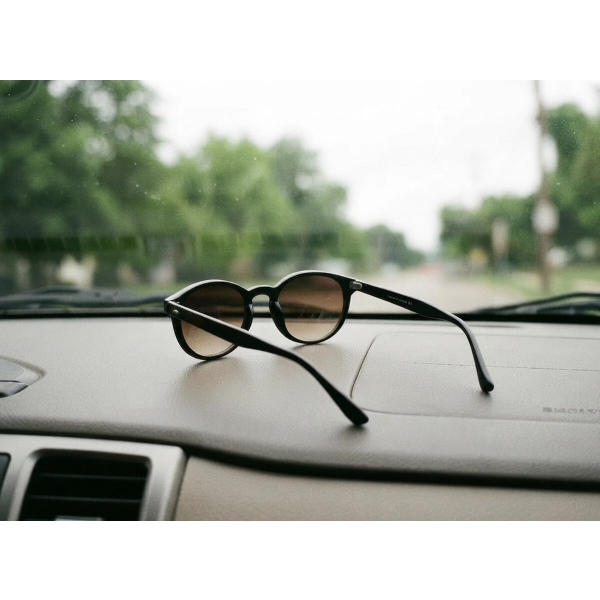
Do not leave glasses in the car during summer: Temperatures in a closed vehicle can exceed 60°C, which is enough to ruin the coating in just a few hours.
-
Avoid saunas or steam rooms: Moist heat is equally destructive.
-
Keep away from radiators: Never place them on heaters or near a stove.
2. Chlorine and Salt Water Many people wear sunglasses at the beach or in the pool. While it seems harmless, it can be fatal for lens coatings.
-
Salt water dries out and erodes the fine protective layer on the surface.
-
Chlorine acts as an aggressive chemical that eats away at the coating.
Tip: If your glasses get wet with seawater or chlorinated water, rinse them immediately with clean, cold tap water and dry them with a microfiber cloth.
3. Chemicals in Wet Wipes and Household Cleaners Cleaning glasses with generic wet wipes is a common mistake.
-
Most wipes contain alcohol, perfumes, and chemicals that break down lens coatings.
-
The same applies to household detergents, soaps, and even certain cosmetic products.
Tip: Only use cleaning sprays specifically designed for eyewear and high-quality microfiber cloths.
How to Properly Store Your Glasses
-
Use a Hard Case: Never carry your glasses loose in a bag or pocket—this makes them vulnerable to scratches and frame misalignment. Always use a hard, padded case.
-
Lenses Up: When you take your glasses off, place them with the frames down and lenses up to avoid direct contact with hard or dirty surfaces.
-
Clean Regularly but Gently:
-
Rinse with lukewarm water (never hot!).
-
Use a specialized eyewear cleaning spray.
-
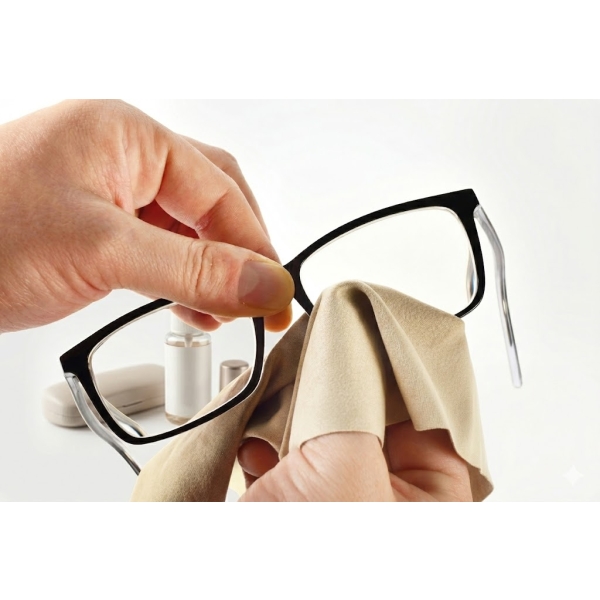
Dry with a clean microfiber cloth.
-
Avoid paper towels, tissues, or clothing, as they contain fibers that can scratch the coating.
-
Extra Tips for Longevity
-
Use both hands: Putting on or taking off glasses with one hand strains the hinges and misaligns the frame.
-
Don't wear them on your head: This stretches the frames and increases the risk of them falling off.
-
Avoid thermal shock: Don't wash glasses with ice-cold water immediately after they have been in a hot environment.
Signs of a Damaged Coating
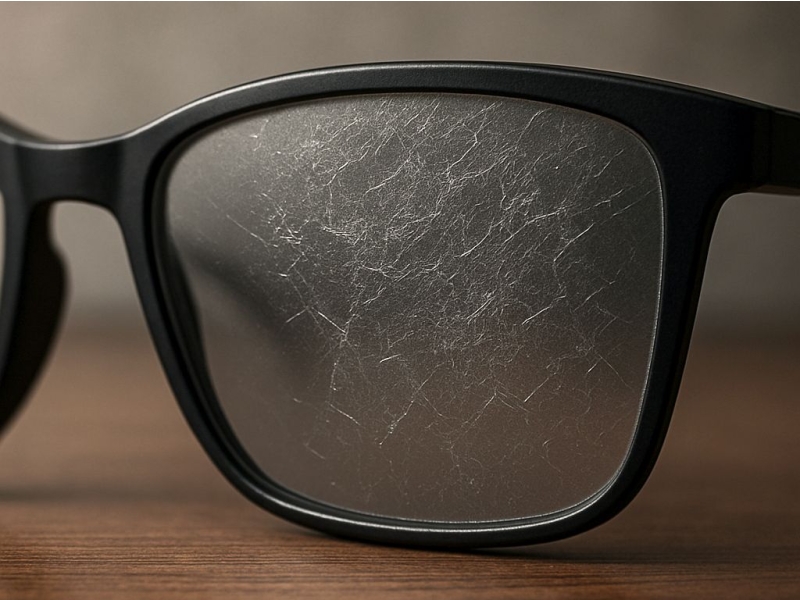
If you notice fine "spider-web" cracks, blurry patches that won't go away with cleaning, or uneven light reflections, then the coating is likely compromised. In such cases, consult a specialist to see if the lenses need replacement.
Proper care is not difficult, but it requires attention to detail. Protecting your glasses from extreme heat, chemicals, and rough handling will preserve your visual quality for years to come.