Choosing new prescription glasses usually begins with the most fun part—trying on dozens of different frames in front of the mirror until you find the one that perfectly highlights your facial features. But once you make that choice, it's time for the actual technological part: choosing the prescription lenses. When the optician starts listing terms like "anti-reflective," "hydrophobic layer," or "blue light filter," the situation can quickly sound like a foreign language exam.
Today, optical lens technology is highly advanced, and a basic, "naked" lens is more of an exception. Coatings are the invisible heroes that transform ordinary plastic or glass into a high-tech tool for crystal-clear vision. But which of these extras are an absolute necessity, and which are just an added luxury? Let's decode the world of lens coatings so you can make an informed choice tailored to your daily life.
Hard Coating (Scratch Resistance)
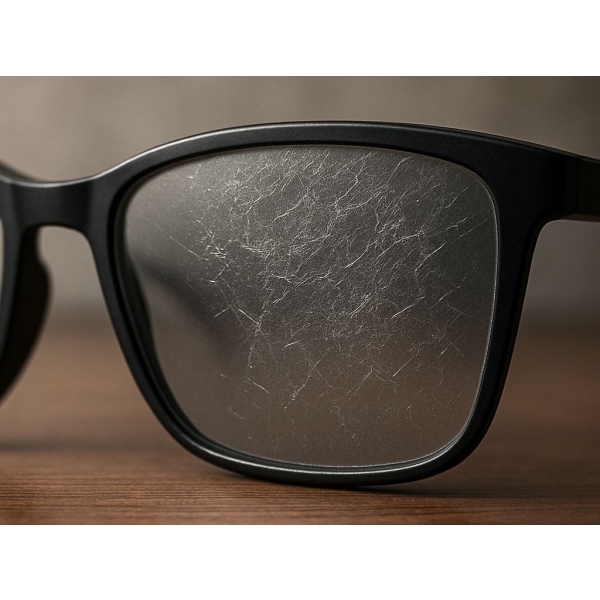
In the past, prescription lenses were made of mineral glass, which was scratch-resistant but heavy and dangerous if broken. Today, over 90% of glasses are made from high-quality organic materials (plastics), which are extremely light, thin, and safe. However, their main drawback is that they are naturally softer and prone to scratching.
This is where the Hard Coating comes in. It is applied to both sides of the lens and acts as a protective shield against microscopic scratches from daily cleaning, accidental drops, or contact with dust particles. It's important to note that no lens is 100% scratch-proof—if you slide your glasses across the asphalt, they will get damaged. But a quality hard coating drastically extends the life of the lenses under normal use. In modern optics, this coating is considered an absolute standard and is often included in base model lenses.
Anti-Reflective Coating: More Than Just Aesthetics
If you have to invest in only one coating, it must absolutely be the anti-reflective (AR) coating. As the name suggests, it eliminates unwanted reflections from the surface of the lens. Why is this so important?
When light hits a lens without AR, about 10-15% of it bounces back instead of passing through the glass to your eye. This creates several problems. First, your vision has lower contrast, especially in low-light conditions. Second, people looking at you see annoying glare on your glasses instead of your eyes. And third, during night driving, the lights of oncoming cars and streetlamps create dangerous "halos" and blinding glare.
An anti-reflective coating allows up to 99.5% of light to reach the eye. The result is crystal-clear, high-contrast vision without strain. It is absolutely essential for drivers, people with higher prescriptions (as thicker lenses reflect more light), and anyone working in an office with artificial lighting.
Blue Light Protection (Blue Control / Blue Blocker)
This is undoubtedly the most discussed coating in recent years. In the age of digitalization, we spend an average of 6 to 10 hours a day in front of various screens—smartphones, computers, TVs, and tablets. All these devices emit high-energy visible blue light.
While blue light is also naturally present in sunlight, concentrated emission from screens at a close distance leads to a condition known as "digital eye strain." Symptoms include dryness, redness, blurred vision at the end of the day, and even headaches. Furthermore, exposure to blue light late in the evening suppresses the secretion of melatonin—the sleep hormone—which can seriously disrupt your circadian rhythms.
Blue light coatings filter out the harmful spectrum of this emission. They make looking at screens much more comfortable, reduce the "sand in the eyes" sensation, and promote better sleep. If your job involves computer work, this coating is highly recommended.
Hydrophobic and Lipophobic (Oleophobic) Coating
There is nothing more annoying than glasses that get dirty just by looking at them. Have you ever cleaned your lenses until they sparkled, only to find a mysterious fingerprint on them five minutes later?
Hydrophobic coating smooths out microscopic irregularities on the surface of the lens, making it extremely slippery for water molecules. When it rains, the drops do not smear across the glass; instead, they bead up and literally roll off. This coating also significantly reduces the annoying fogging of glasses when moving from a cold to a warm room.
Lipophobic (or oleophobic) coating works on the same principle but repels grease and dirt. It prevents fingerprints from sticking and makes cleaning the lenses incredibly easy—often, a light wipe with a microfiber cloth is enough, without the need for special sprays or aggressive rubbing. These coatings are usually bundled with the highest-tier anti-reflective treatments and are an investment in your daily comfort.
UV Protection in Clear Lenses
Many people mistakenly believe that UV protection is a trademark exclusively for sunglasses. The truth is that ultraviolet rays reach your eyes all year round, even when the sky is cloudy. Prolonged exposure to UV radiation is linked to the development of cataracts and macular degeneration.
Modern, high-quality prescription materials often have built-in 100% UV protection within the lens mass itself (up to 400 nanometers). Even if your lenses are completely transparent, they can and should block harmful rays. Make sure to ask your optician if your chosen lenses offer full UV protection—this is the foundation of long-term eye health.
Ultimately, the ideal combination of coatings depends on your lifestyle. If you are an IT specialist or accountant, AR with blue light protection is your best friend. If you are a driver or someone who spends a lot of time outdoors, look for premium AR with good hydrophobic properties and 100% UV protection. Do not view coatings as an unnecessary expense, but rather as an upgrade that unlocks the full potential of your vision and protects your eyes in the long run.
Frequently Asked Questions (FAQ)
Can a coating be added to old prescription lenses? No. Coatings are applied in vacuum chambers under specific temperature conditions during the actual manufacturing of the lenses. If you want new coatings, you have to order new prescription lenses.
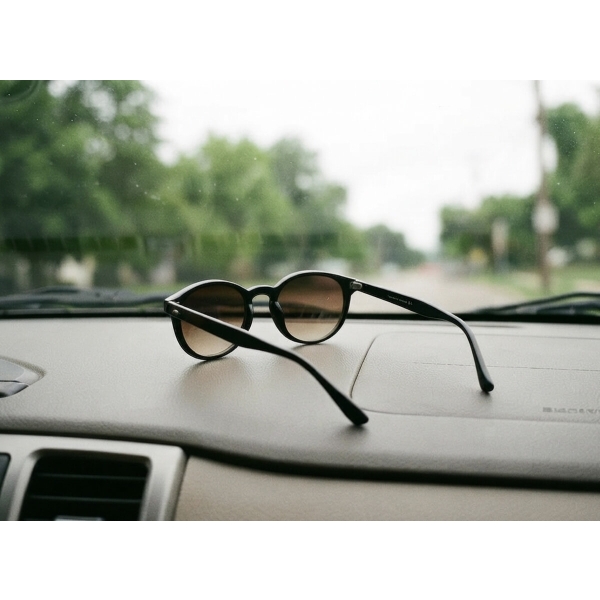
Do coatings wear off over time? Yes, coatings have a lifespan. With proper maintenance, they can last for years. However, exposure to extreme temperatures (e.g., leaving glasses on a car dashboard in the summer), washing with hot water, or wiping with clothing and paper towels can cause the anti-reflective layer to crack and peel.
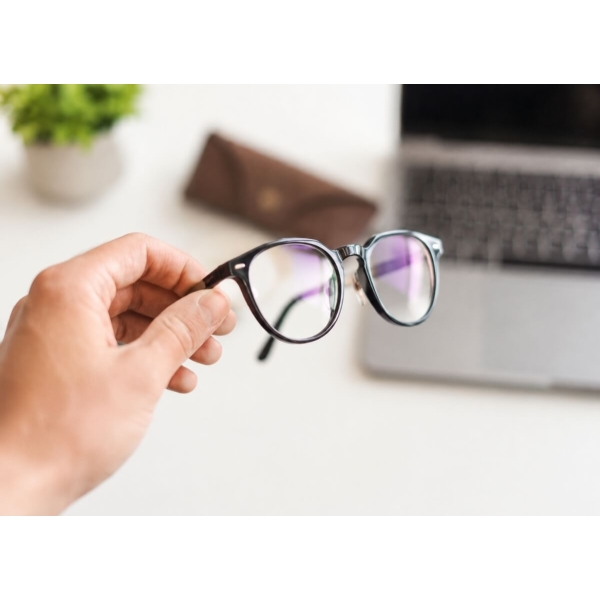
Do blue light protection lenses make images look yellowish? Blue light filters reflect or absorb a portion of the blue spectrum. As a result, the lens may have a very subtle, barely noticeable yellowish tint, and the reflection on its surface is often bluish or purple. For most people, this does not cause discomfort, but if you work as a graphic designer or photographer where absolute color accuracy is critical, you might want to consider a standard premium anti-reflective coating instead.
What is the proper way to clean my glasses to preserve the coatings? The best and safest method is rinsing with lukewarm (never hot!) water and a small amount of mild, lotion-free liquid soap. Afterward, dry them gently with a clean, soft microfiber cloth. Avoid alcohol-based wet wipes for glasses, as daily use of alcohol can damage the coatings over time.